
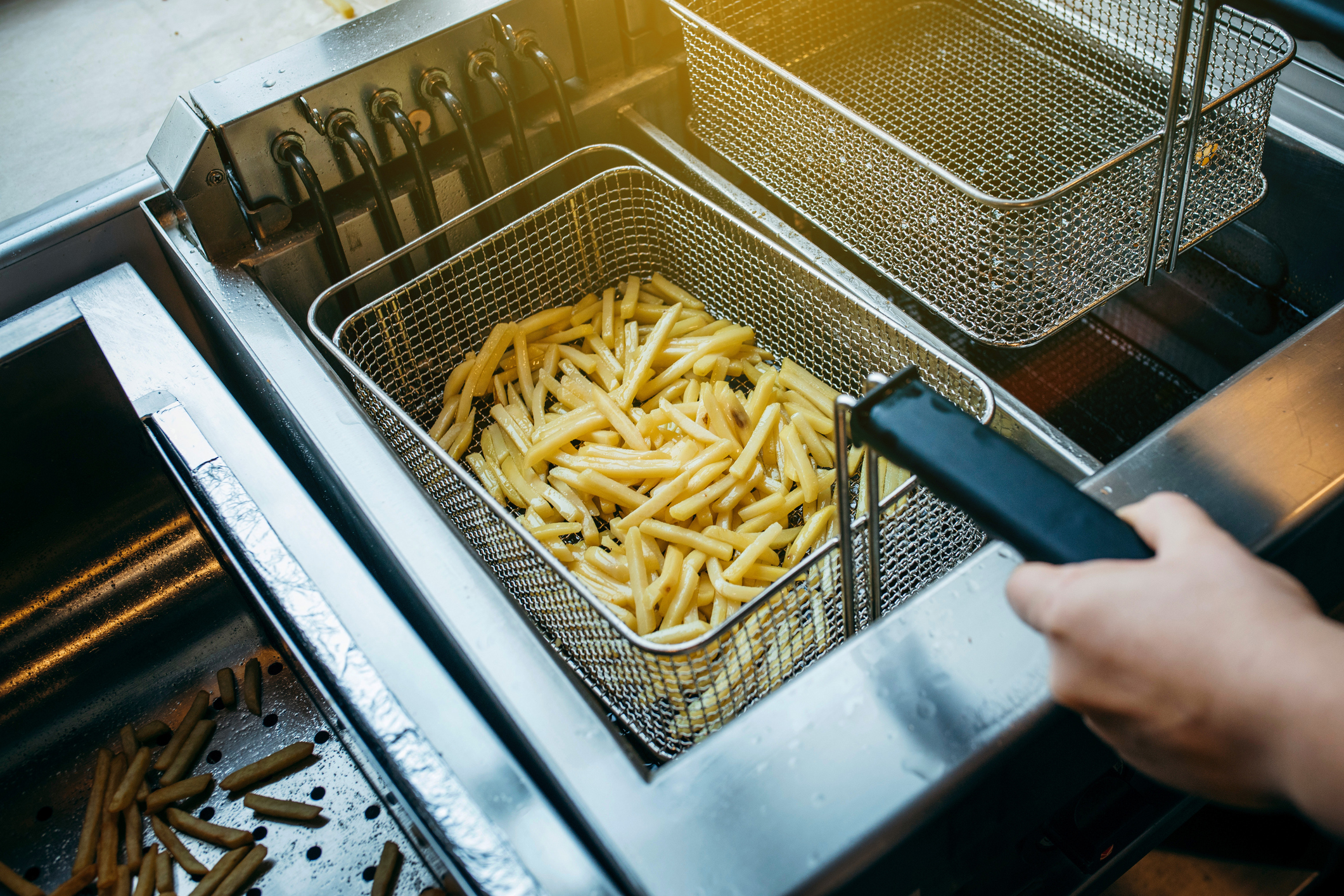
Commercial Deep Fryer Guide: Types, Maintenance, and Best Practices
Fried food is one of the most popular and profitable menu categories in the foodservice industry. From fries and chicken to seafood and specialty items, consistency is key to delivering high-quality results.
To achieve that consistency, proper commercial deep fryer maintenance is essential. The right fryer, combined with routine care, helps improve food quality, extend equipment life, and reduce downtime.
In this guide, we’ll cover commercial fryer types, how to choose the right one, and best practices for maintenance and performance.
What Is a Commercial Deep Fryer?
A commercial deep fryer is a professional-grade appliance designed to cook food quickly and evenly by submerging it in hot oil.
These fryers are built for:
-
High-volume cooking
-
Consistent temperature control
-
Safe and efficient operation
Different fryer types are designed for specific foods, kitchen sizes, and production needs.
How to Choose a Commercial Deep Fryer
Choosing the right fryer depends on your kitchen setup and menu.
Key factors to consider include:
-
Capacity: How much food you need to produce daily
-
Kitchen Space: Available room for equipment
-
Menu Type: Types of fried food you serve
-
Power Source: Gas or electric availability
-
Budget: Equipment and installation costs
Understanding these factors helps narrow down the best fryer for your operation.
Types of Commercial Deep Fryers
Open-Pot Fryers
Open-pot fryers have a heating element below the fry pot, making them easy to clean.
Best for:
Fries, chicken tenders, onion rings
Pros:
-
Easy to clean
-
Good for high-volume cooking
Cons:
-
Not ideal for high-sediment foods
-
Slower preheat times
Tube-Style Fryers
Tube fryers include heating tubes inside the tank and a cold zone for debris.
Best for:
Breaded or high-sediment foods like mozzarella sticks
Pros:
-
Extends oil life
-
Handles heavy batter
Cons:
-
Harder to clean
Flat Bottom Fryers
Flat-bottom fryers allow food to float freely without obstruction.
Best for:
Donuts, funnel cakes, fish, and shrimp
Pros:
-
Easy cooking surface
-
No tubes in the tank
Cons:
-
Not ideal for high-volume use
-
Requires frequent oil changes
Pressure Fryers
Pressure fryers use a sealed lid to cook food faster at lower temperatures.
Best for:
Fried chicken
Pros:
-
Faster cooking
-
Retains moisture
-
Reduces oil absorption
Cons:
-
Harder to clean
-
Limited access during cooking
Floor vs. Countertop Fryers
Countertop Fryers
Best for: Small kitchens, food trucks, or low-volume operations
Pros:
-
Compact and affordable
-
Easy to clean
Cons:
-
Lower output capacity
Floor Fryers
Best for: High-volume kitchens and restaurants
Pros:
-
Larger capacity
-
More efficient for busy kitchens
Cons:
-
Requires more space
-
Higher upfront cost
Electric vs. Gas Fryers
Electric Fryers
Pros:
-
Easy temperature control
-
Safer (no open flame)
-
Simple installation
Cons:
-
Slower heat-up times
-
Lower max temperatures
Best for: Smaller kitchens or limited menus
Gas Fryers
Pros:
-
Faster heat-up
-
Higher temperatures
-
Better for high-volume cooking
Cons:
-
Requires gas line
-
Higher installation complexity
Best for: High-volume restaurants and busy kitchens
Tips to Improve Fried Food Quality
Maintaining food quality starts with proper fryer care.
Best practices include:
-
Change oil regularly
-
Filter oil after use
-
Store oil in a cool, dark place
-
Keep fryer surfaces clean
-
Only season food after frying
In high-volume kitchens, oil should be changed weekly. Lower-volume kitchens should avoid using oil longer than two to three months.
Commercial Fryer Maintenance Tips
Routine commercial fryer maintenance helps improve performance and extend equipment life.
Recommended maintenance schedule:
-
Daily: Clean surfaces and monitor temperature
-
Weekly: Filter oil and inspect components
-
Monthly: Deep clean and check performance
-
Quarterly/Annually: Professional service and inspection
Fryer Boil-Out Cleaning Method
A regular boil-out cleaning removes grease buildup and improves performance.
Basic steps include:
-
Allow oil to cool
-
Drain oil safely
-
Remove debris
-
Rinse with hot water
-
Fill with water and cleaning solution
-
Boil for 20 minutes
-
Drain and rinse thoroughly
This process helps prevent contamination and improves cooking results.
Don’t Forget to Clean the Heating Coils
Heating coils are critical to fryer performance.
When cleaning your fryer:
-
Use a long-handled brush
-
Remove food debris from coils
-
Ensure no buildup remains
Clean coils improve efficiency and help maintain consistent cooking temperatures.
Schedule Professional Fryer Maintenance and Repair
Proper maintenance is essential, but some issues require professional service.
General Parts provides expert commercial fryer maintenance and restaurant fryer repair services to keep your kitchen running efficiently.
To schedule service, call (888) 498-1238 or request a service visit online.