
Commercial Griddle Maintenance Tips for Peak Kitchen Performance
By Pat Finley – Master Certified Lead Technician
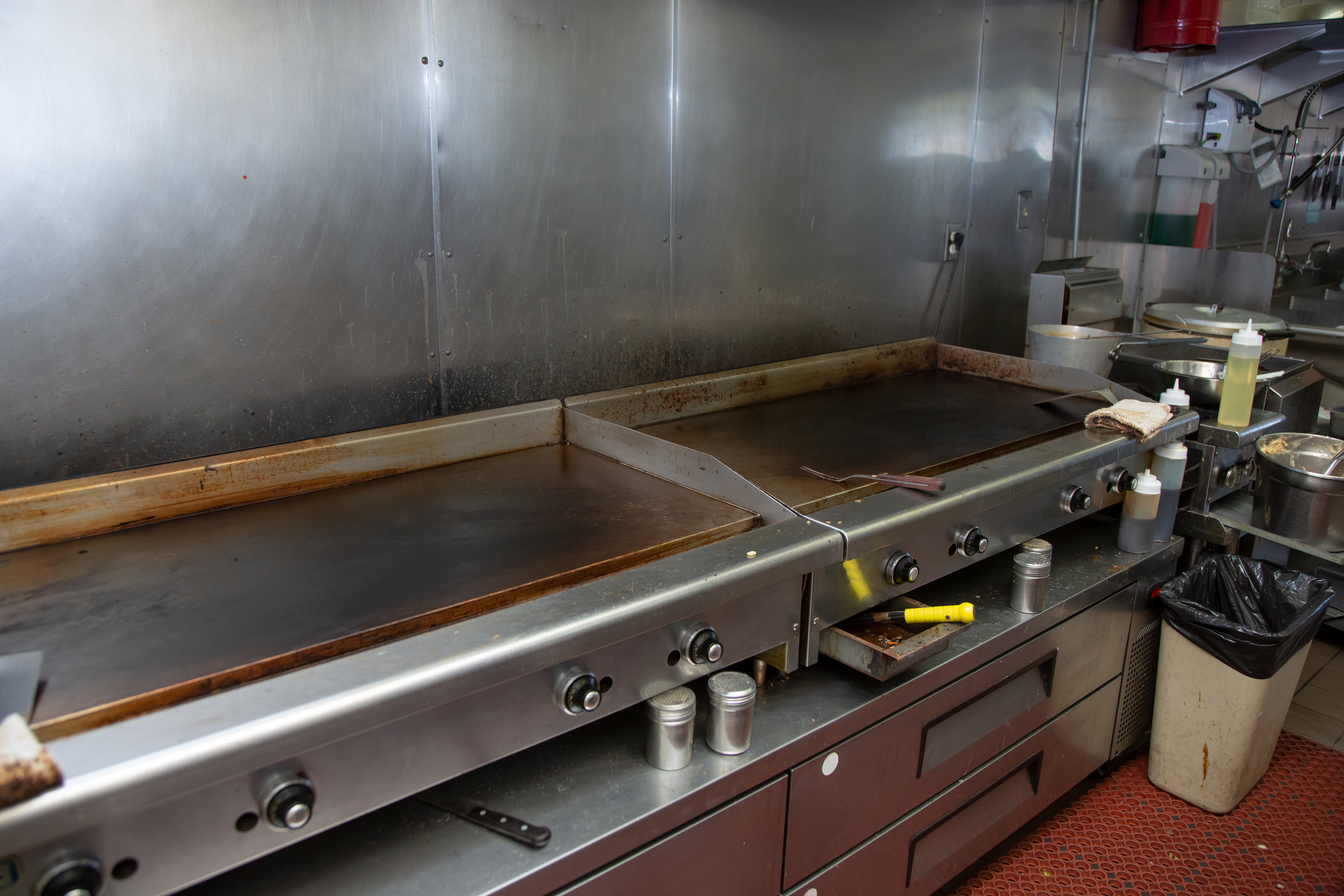
A commercial griddle is one of the most versatile pieces of equipment in a commercial kitchen. Restaurants rely on griddles to cook everything from burgers and eggs to pancakes and vegetables. Because they are used constantly during service, keeping your griddle operating properly is essential.
Commercial griddles typically feature a large flat cooking surface made from stainless steel or steel plates. These surfaces are heated by either gas or electricity. When working properly, a griddle delivers consistent temperatures and even cooking across the entire surface.
However, without proper maintenance, griddles can develop hot spots, poor temperature control, or inefficient gas performance. Regular commercial griddle maintenance helps ensure consistent food quality, better kitchen efficiency, and a longer equipment lifespan.
Below are a few important maintenance tips to keep your commercial griddle performing at its best.
Maintain Proper Temperature Control
Temperature control is critical when operating a commercial griddle. If the griddle overheats, food can burn quickly and lead to unnecessary waste. On the other hand, if temperatures are too low, food may cook slowly and reduce kitchen productivity.
If you suspect your griddle temperature is inaccurate, you can check it using a surface thermometer. Compare the thermometer reading with the thermostat setting on the griddle.
If the temperature is off, the unit may need thermostat calibration. In many cases, technicians can recalibrate the thermostat to restore accurate temperatures. However, if the thermostat is worn out, it may need to be replaced.
Another common issue is uneven heating across the cooking surface. If your griddle develops hot or cold zones, it may require professional service to restore proper performance.
Inspect Gas Connections and Pilot Flames
For gas-powered griddles, proper gas flow is essential for safe and consistent operation.
Start by checking the pilot flame. A properly adjusted pilot flame should appear blue with small yellow tips.
Next, inspect the gas hose and quick disconnect fittings. If the quick connection is not fully seated, gas flow may be restricted. This can cause the pilot to ignite but shut off when the main burners activate.
Gas pressure problems can also affect griddle performance. Common causes include:
-
Low gas supply pressure
-
A faulty gas regulator
-
Improper gas volume
High gas pressure can also damage equipment and create cooking inconsistencies. If you suspect gas pressure issues, contact a trained service technician to diagnose the problem safely.
Keep the Griddle Surface Clean
Cleaning the griddle surface is just as important as maintaining the mechanical components.
A dirty cooking surface can lead to several problems, including:
-
Food sticking to grease buildup
-
Uneven cooking temperatures
-
Poor food quality
To prevent these issues, clean the griddle regularly according to the manufacturer’s recommendations. Removing grease and food residue helps maintain consistent heat distribution and improves the cooking experience for both staff and customers.
Schedule Professional Griddle Maintenance
Routine cleaning and inspections go a long way in keeping your griddle running properly. However, more complex issues should always be handled by a professional technician.
Professional commercial griddle maintenance and repair can help:
-
Extend the life of your equipment
-
Improve cooking consistency
-
Prevent costly breakdowns
If your griddle is experiencing temperature issues, gas flow problems, or uneven heating, contact your local General Parts branch to schedule a service visit.
Our trained technicians can diagnose the issue and restore your griddle to peak performance.