
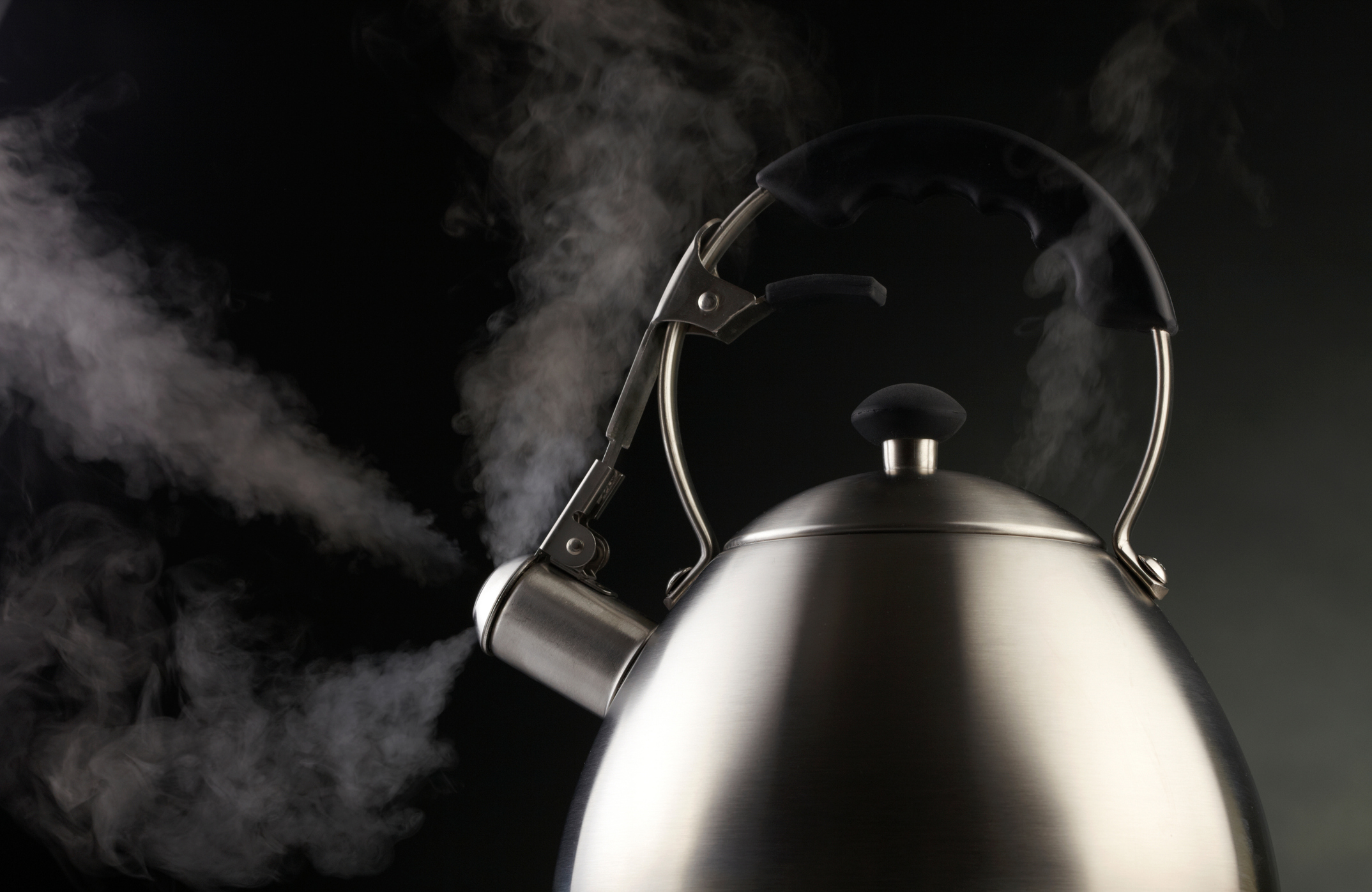
Commercial Steamer and Kettle Maintenance Tips for Foodservice Kitchens
By Pat Finley – Master Certified Lead Technician
Steam-powered cooking equipment has been used in commercial kitchens for decades. Equipment such as commercial steamers and steam kettles are common in schools, healthcare kitchens, and large foodservice operations. These systems often rely on a boiler base to generate the pressurized steam needed for cooking.
In some larger facilities, steam-powered equipment may connect to a central steam plant used for building heating and other applications. However, in many restaurants and foodservice operations, a boiler-based commercial steamer system is the most common setup.
Understanding how these systems work and how to properly maintain them is essential for reliable performance and food safety.
How Commercial Steamers and Kettles Work
Commercial steamers and kettles operate by heating water until it produces pressurized steam. The boiler creates this steam by using either electric heating elements or gas-fired burners.
Once water reaches boiling temperatures, it converts to steam. This pressurized steam is then transferred through piping or hoses to cooking equipment such as steam cabinets or kettles.
The boiler uses pressure switches to control steam production. When the system reaches a predetermined pressure level, a high-pressure switch turns off the heat source. When pressure drops, a secondary switch activates the heating source again.
This system ensures there is always enough steam available for cooking while maintaining safe pressure levels.
Water Quality and Commercial Steamer Performance
One of the most common causes of issues with commercial steamers is poor water quality.
Water hardness, chlorides, and other contaminants can significantly impact the performance and longevity of steam equipment. Testing water quality at your location helps determine the proper filtration system needed for your equipment.
Chlorides, for example, can weaken metal components inside the boiler. Over time, this corrosion can compromise the integrity of the system.
Another common issue is limescale buildup inside the boiler. Mineral deposits can reduce steam production and create several costly problems.
Heavy scale buildup can:
-
Cause inaccurate sensor readings
-
Lead to dry firing of heating elements
-
Block drainage systems
-
Damage internal components
Proper filtration and regular maintenance help prevent these issues.
Cleaning Commercial Steamers and Kettles
Routine cleaning is an important part of commercial steamer maintenance.
Steamers are generally simple to clean because most foods are cooked inside pans. In many cases, wiping down the interior with a damp cloth and mild detergent is sufficient.
Occasionally, you may notice minor limescale buildup. If caught early, this can often be removed using vinegar or a manufacturer-approved descaling product.
Steam kettles, on the other hand, are often used to cook a variety of foods, which can create more residue. Fortunately, kettles typically include a nearby water source that makes cleaning easier.
Using warm water, mild soap, and a non-abrasive scrub pad can help remove food buildup without damaging the cooking surface.
Inspect Filters, Seals, and Leaks
Regular inspections help identify problems before they become costly repairs.
Start by checking your water filtration system. Most water filters include a date label, and they should typically be replaced at least once per year. In locations with poor water quality, filters may need to be replaced more frequently.
It’s also important to check for signs of leaks. Look around the equipment for water stains, dripping connections, or damaged components.
Door seals should also be inspected regularly. Over time, seals can crack, dry out, or tear. Damaged seals allow steam to escape, reducing cooking efficiency and potentially creating safety hazards.
If you notice steam leaks during operation, contact a service technician immediately. Pressurized steam can cause serious burns and should always be handled carefully.
Flush the Boiler Regularly
Many boiler-based systems require regular flushing to remove sediment and mineral buildup.
Flushing the boiler after use helps maintain proper performance and prevents scale buildup from damaging internal components.
Following manufacturer guidelines for flushing intervals is essential for maintaining safe operation.
Preventative Maintenance for Steam Equipment
Preventative maintenance (PM) plays a critical role in keeping commercial steamers and kettles operating efficiently.
Routine maintenance performed by trained technicians can help identify worn components and prevent unexpected downtime.
Common preventative maintenance tasks include:
-
Descaling boilers at least twice per year
-
Replacing worn gaskets on sight glasses and hand holes
-
Inspecting and replacing anodes designed to attract sediment
-
Checking air vents that release cool air during startup
Air vents are particularly important because they allow systems to heat quickly. Once the system reaches the correct temperature, the vents close and trap heat inside. If vents fail to close properly, cooking times may increase and system efficiency may drop.
Schedule Professional Commercial Steamer Maintenance
Steam-powered equipment is essential in many commercial kitchens. Proper maintenance helps ensure reliable performance, improved efficiency, and safer operation.
If you notice performance issues, leaks, or scale buildup in your equipment, it may be time to schedule service.
General Parts provides expert commercial steamer and kettle maintenance performed by trained service technicians.
To schedule service or learn more about our maintenance programs, call 1-888-498-1238 or book a service visit online.