
Warming Cabinet Maintenance Tips to Keep Food Safe and Fresh
By Pat Finley – Master Certified Lead Technician
Warming cabinets—also known as hot holding cabinets—are one of the most overlooked pieces of commercial kitchen equipment, yet they play a critical role in food safety and service quality.
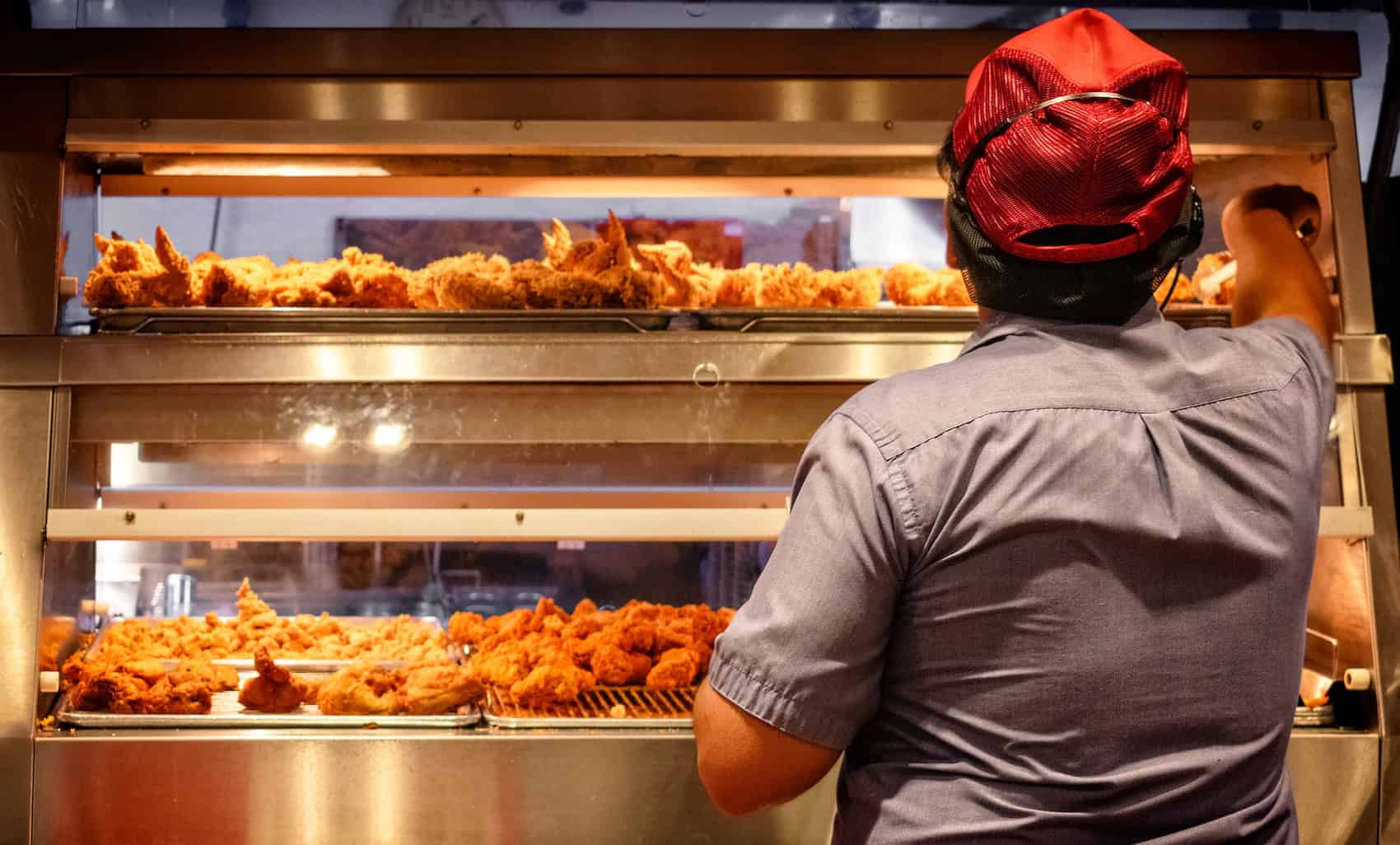
These units keep prepared food at safe serving temperatures until it’s ready to be plated or served. Warming cabinets come in many styles, from large rolling floor units commonly used in hospitals and schools to smaller countertop models found in restaurants and cafés.
Because these units run for long periods during service, routine commercial kitchen equipment maintenance is essential to keep them operating properly.
Why Warming Cabinets Matter in Commercial Kitchens
Holding cabinets help maintain:
-
Safe food temperatures
-
Product quality and moisture
-
Consistent service speed
-
Health code compliance
If a warming cabinet is not working correctly, food can dry out, lose quality, or fall into unsafe temperature ranges.
Warming Cabinet Maintenance Tips for Better Performance
Below are several best practices operators can use to keep hot holding equipment running efficiently.
Set the Correct Temperature
Always verify that the cabinet is set high enough to keep food safe, but not so high that it dries out or overcooks the product.
Improper temperature settings can:
-
Reduce food quality
-
Create waste
-
Lead to food safety concerns
Use a calibrated thermometer to confirm holding temperatures.
Check Water Levels for Moisture-Control Units
Some warming cabinets rely on water or humidity to maintain food quality.
If your unit uses moisture:
-
Ensure the reservoir is filled
-
Verify the water system is functioning
-
Check for scale buildup
Proper humidity helps prevent food from drying out during holding.
Inspect Door Gaskets
If your hot holding cabinet has doors, the door gaskets must be in good condition.
Look for:
-
Sagging
-
Cracks or tears
-
Missing sections
Damaged gaskets allow heat to escape, forcing the unit to work harder and reducing food quality.
Be Mindful of Cabinet Placement
Open-style holding cabinets are affected by their environment.
Keep units away from:
-
Exterior doors
-
Air conditioning vents
-
Drafty areas
Airflow changes can impact internal temperatures and overall performance.
Listen for Unusual Noises
Many warming cabinets use blowers or fans to circulate hot air.
If you notice:
-
Grinding
-
Rattling
-
Loud or unusual sounds
it may indicate a developing mechanical issue. Addressing these early can prevent costly repairs.
Verify Food Is Fully Cooked Before Holding
Warming cabinets are designed to maintain temperature, not cook food.
Always confirm that products have reached safe internal cooking temperatures before placing them in the unit. This protects both food quality and guest safety.
Keep Your Hot Holding Equipment Running with Professional Service
Because warming cabinets operate continuously during service, routine inspections and preventive maintenance help prevent downtime and protect food safety.
General Parts provides professional commercial kitchen equipment maintenance and repair performed by manufacturer-trained technicians. Our team helps ensure your hot holding equipment maintains proper temperature, airflow, and performance.
If you suspect issues with your warming cabinet, contact your local General Parts branch to schedule service.