
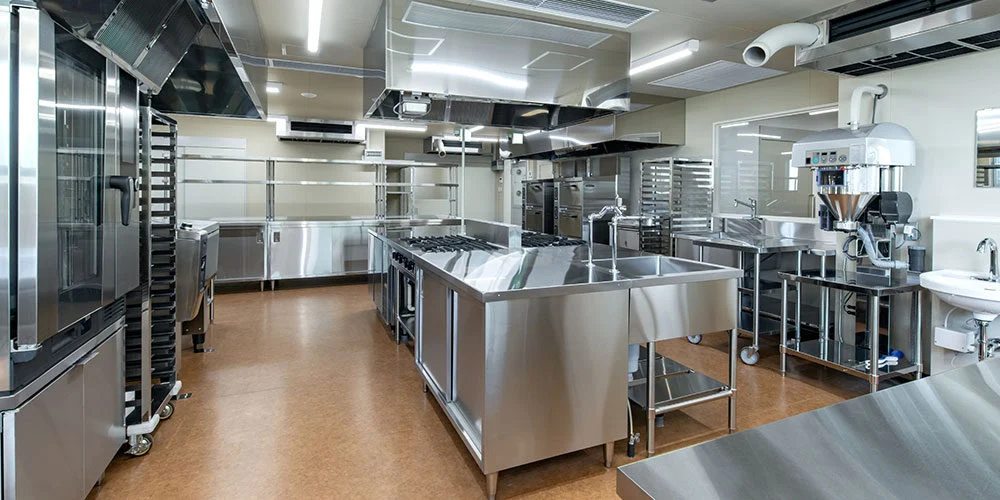
Running a commercial kitchen means constant energy use—refrigeration, cooking equipment, dishwashers, ventilation systems, and more. The good news? Small adjustments to how your equipment is used and maintained can make a noticeable impact on monthly utility bills. Below are practical, equipment-specific ways to improve energy efficiency in your commercial kitchen, plus signs to watch for that could signal wasted energy (and future equipment failure).
Quick Wins: Energy Savings You Can Start Today
Some of the biggest energy savings don’t require equipment upgrades, they come from habits and preventive maintenance.
-
Don’t block airflow around refrigeration units (especially walk-ins and reach-ins).
-
Keep condenser coils clean to avoid longer run times and higher energy use.
-
Replace worn door gaskets to prevent cold air loss.
-
Avoid unnecessary preheating—preheat only when needed and shut equipment down during slow periods.
-
Run dishwashers only at full loads when possible.
-
Fix leaks quickly (hot water waste = energy waste).
-
Use LED lighting in kitchens, walk-ins, and prep areas.
Energy-Efficient Commercial Kitchen Equipment (What Makes the Biggest Difference)
If you’re looking for the best ROI upgrades, focus on equipment that runs constantly or draws heavy power.
Refrigeration (Walk-ins, Reach-ins, Ice Machines)
-
Choose ENERGY STAR® refrigeration when replacing aging units.
-
Install or replace high-quality door gaskets and closers.
-
Keep coils clean and ensure fans are operating properly (poor airflow increases runtime).
-
Don’t overload shelves, air circulation impacts energy consumption.
Cooking Equipment (Ranges, Griddles, Ovens, Fryers)
-
Upgrade to high-efficiency fryers and convection ovens where appropriate.
-
Use equipment sized for your volume (oversized equipment wastes energy).
-
Keep burners, pilot assemblies, and thermostats properly calibrated.
Dishwashers + Hot Water Systems
-
Install low-flow pre-rinse spray valves.
-
Choose high-efficiency dish machines with heat recovery when replacing equipment.
-
Make sure rinse temperature is correct, too high wastes energy, too low affects sanitation.
Ventilation + HVAC (Huge energy impact)
-
Use demand-controlled kitchen ventilation when possible.
-
Keep filters clean and verify proper airflow.
-
An inefficient hood or makeup air system can cause kitchens to overwork HVAC systems.
Preventive Maintenance Checklist for Energy Efficiency
Routine maintenance is one of the most effective ways to cut energy costs because it helps equipment run at peak performance.
Monthly / Quarterly
-
Clean refrigeration coils
-
Check door gaskets (walk-ins + reach-ins)
-
Inspect fan motors and airflow
-
Confirm operating temperatures and recovery times
-
Inspect burners and ignition systems
-
Check dishwasher temps, spray arms, and fill cycles
-
Replace clogged filters (hood + HVAC)
Annually
-
Confirm thermostat calibration
-
Inspect refrigeration pressures and refrigerant charge
-
Evaluate equipment nearing end-of-life for replacement planning
Signs Your Kitchen Equipment Is Wasting Energy
Energy waste often shows up long before equipment fails. If you notice any of the issues below, it may be time for service.
-
Refrigerators or walk-ins running constantly
-
Ice production slowing down
-
Uneven cooking or longer cook times
-
Dishwashers taking longer to heat or maintain temp
-
Excessive heat in the kitchen due to ventilation issues
-
Rising utility bills with no change in volume
-
Equipment cycling on/off more frequently than normal
Energy Efficiency in Commercial Kitchens: FAQ
What commercial kitchen equipment uses the most energy?
Refrigeration, cooking equipment, ventilation/makeup air, and dishwashers are typically the biggest contributors because they run frequently or constantly.
Is maintenance really enough to reduce energy bills?
Yes—dirty coils, worn gaskets, airflow problems, and calibration issues can significantly increase runtime and energy use without obvious breakdowns.
What should I replace first to cut energy costs?
Start with aging refrigeration and ice machines, then look at high-efficiency fryers/ovens and ventilation improvements.
How often should kitchen equipment be serviced?
Most commercial kitchens benefit from scheduled preventive maintenance at least quarterly (more often for high-volume operations).
Want to Cut Energy Costs Without Guessing?
General Parts helps commercial kitchens improve equipment performance through preventive maintenance, repairs, and replacement guidance. If your utility bills are climbing or your equipment is working harder than it should our technicians can help identify efficiency killers before they become expensive breakdowns. Request a service today using our book service form https://generalparts.com/book-service/