
How to Become a Commercial Kitchen Equipment Service Technician
If you follow our blogs or social media, you’ve probably noticed we talk a lot about service technicians—and for good reason.
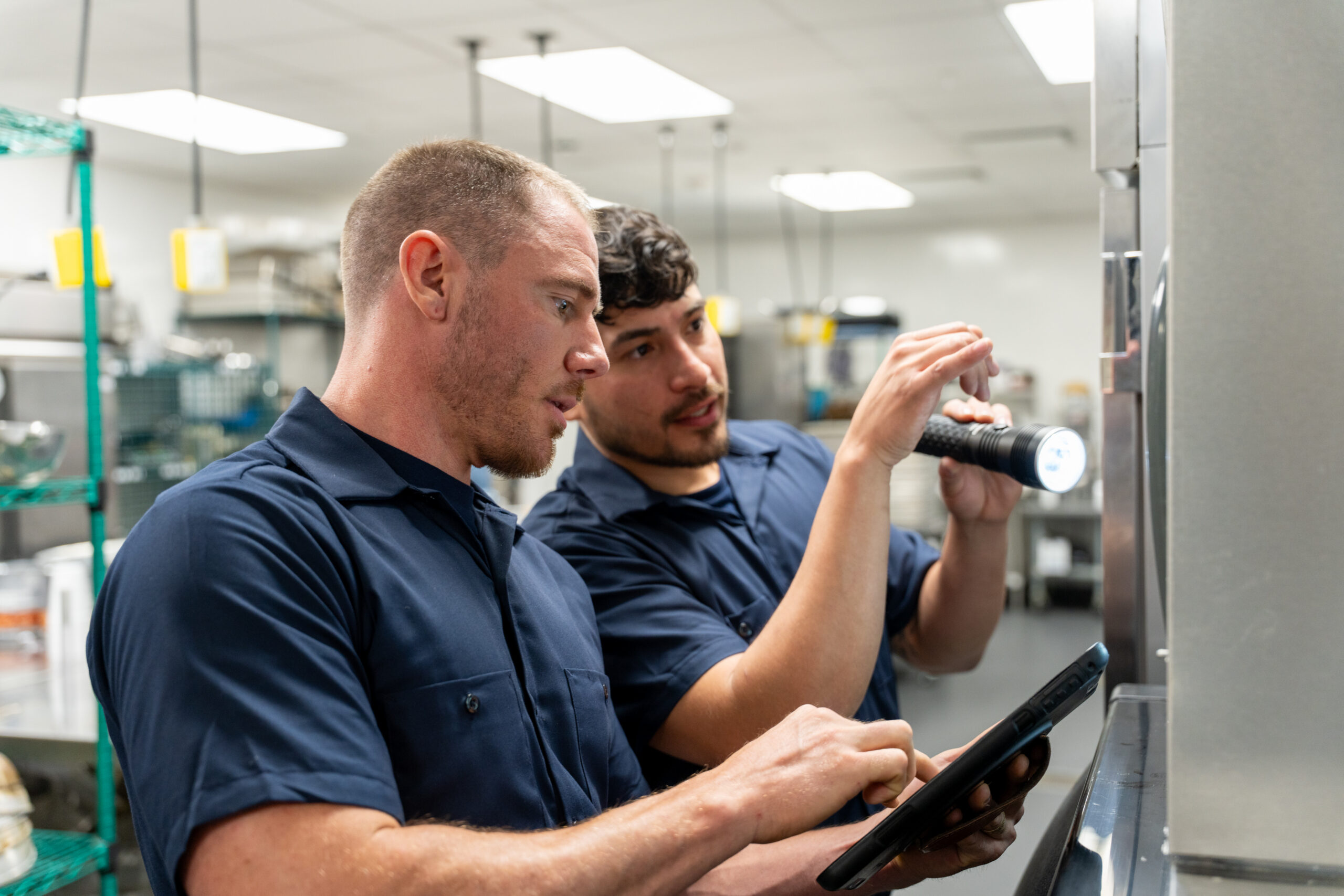
Service is what we do. Behind that service are hundreds of skilled technicians who work year-round to repair and maintain commercial food equipment. These professionals play a critical role in helping restaurants, schools, and facilities keep their kitchens running.
But one of the most common questions we get is:
Where do commercial kitchen equipment service technicians come from?
What Does a Commercial Kitchen Equipment Technician Do?
A commercial kitchen equipment technician is responsible for installing, maintaining, and repairing foodservice equipment such as:
- Ovens and ranges
- Fryers and griddles
- Refrigeration systems
- Dishwashers and steam equipment
Technicians ensure that kitchens stay operational, safe, and efficient—often working on-site to quickly resolve issues.
Skills Needed to Become a Service Technician
Food equipment technicians are unique because they combine multiple skill sets into one career.
To succeed in this field, technicians typically need:
- Mechanical aptitude: Understanding how equipment works
- Electrical knowledge: Reading schematics and troubleshooting powered systems
- Specialized training:
Depending on the path, technicians may focus on:
- Hot-side equipment: Gas, steam, and cooking equipment
- Cold-side equipment: Refrigeration systems
- Combi-tech roles: A combination of both
This variety makes the role both challenging and rewarding.
Where Do Service Technicians Come From?
There is no single path to becoming a commercial kitchen equipment technician. Most professionals enter the field through one of two routes.
1. Skilled Trades Background
Many technicians transition from related industries, including:
- HVAC repair
- Building or facility maintenance
- Military technical roles
- Appliance repair
These individuals already have foundational skills that translate well into food equipment service.
2. Training and Apprenticeships
Others enter the field through training programs, such as:
- Technical schools (often HVAC-focused)
- Apprenticeships and on-the-job training
This path allows individuals to learn while gaining real-world experience in the field.
The Importance of Ongoing Training
Because commercial kitchen equipment continues to evolve, ongoing training is essential.
At General Parts, technician development includes:
- Hands-on mentorship from experienced technicians
- Manufacturer training programs
- Internal training events and workshops
- Certification opportunities through the Commercial Food Equipment Service Association (CFESA)
CFESA certifications help technicians build credibility and advance their careers in the industry.
Why Choose a Career as a Food Equipment Technician?
Becoming a commercial kitchen equipment technician offers several long-term benefits:
- Strong job demand and career stability
- Opportunities for advancement and specialization
- Competitive earning potential
- Hands-on, problem-solving work
Unlike traditional career paths, this field allows you to build valuable, lifelong skills without taking on significant student loan debt.
Start Your Technician Career with General Parts
If you’re looking for a rewarding, hands-on career in a growing industry, becoming a commercial kitchen equipment service technician could be the right path for you.
General Parts is always looking for motivated individuals who want to build a career in the skilled trades.
- Visit our careers page: https://generalparts.com/careers/
- Find a location near you: https://generalparts.com/locations/