Commercial Kitchen Safety Tips: Why Breakers and Gas Shut-Off Valves Matter
Safety should always come first in a commercial kitchen. While keeping equipment operational is important, protecting employees, customers, and your facility is the top priority.
For field service technicians, two of the most critical safety components in any kitchen are:
- Electrical breakers
- Gas shut-off valves
Understanding where these systems are located and how they work can help reduce downtime, prevent equipment damage, and improve overall commercial kitchen safety.
Why Electrical Breakers Matter in Commercial Kitchens
Every restaurant or foodservice facility should know the exact location of its electrical breakers.
It may sound simple, but many kitchen teams cannot quickly locate the proper breaker panel during an emergency. Even more concerning, breakers are often not labeled correctly.
When electrical equipment begins to fail, warning signs may include:
- Burning electrical smells
- Smoke
- Sparking
- Unusual buzzing or popping noises
If you notice any of these issues, immediately shut down the equipment and turn off the appropriate breaker. Acting quickly can help:
- Reduce the risk of electrical fires
- Prevent additional equipment damage
- Protect employees from injury
- Lower commercial kitchen equipment repair costs
Create a Commercial Kitchen Safety Reference Sheet
One of the best ways to improve kitchen safety is by creating a laminated equipment reference sheet.
Your sheet should include:
- Equipment name
- Breaker panel location
- Breaker number
- Gas shut-off location
This simple step helps kitchen staff and service technicians quickly identify the correct power source during emergencies or repairs.
It also saves valuable service time. Technicians can begin diagnosing equipment faster instead of searching for the correct breaker.
Why Gas Shut-Off Valves Are Essential
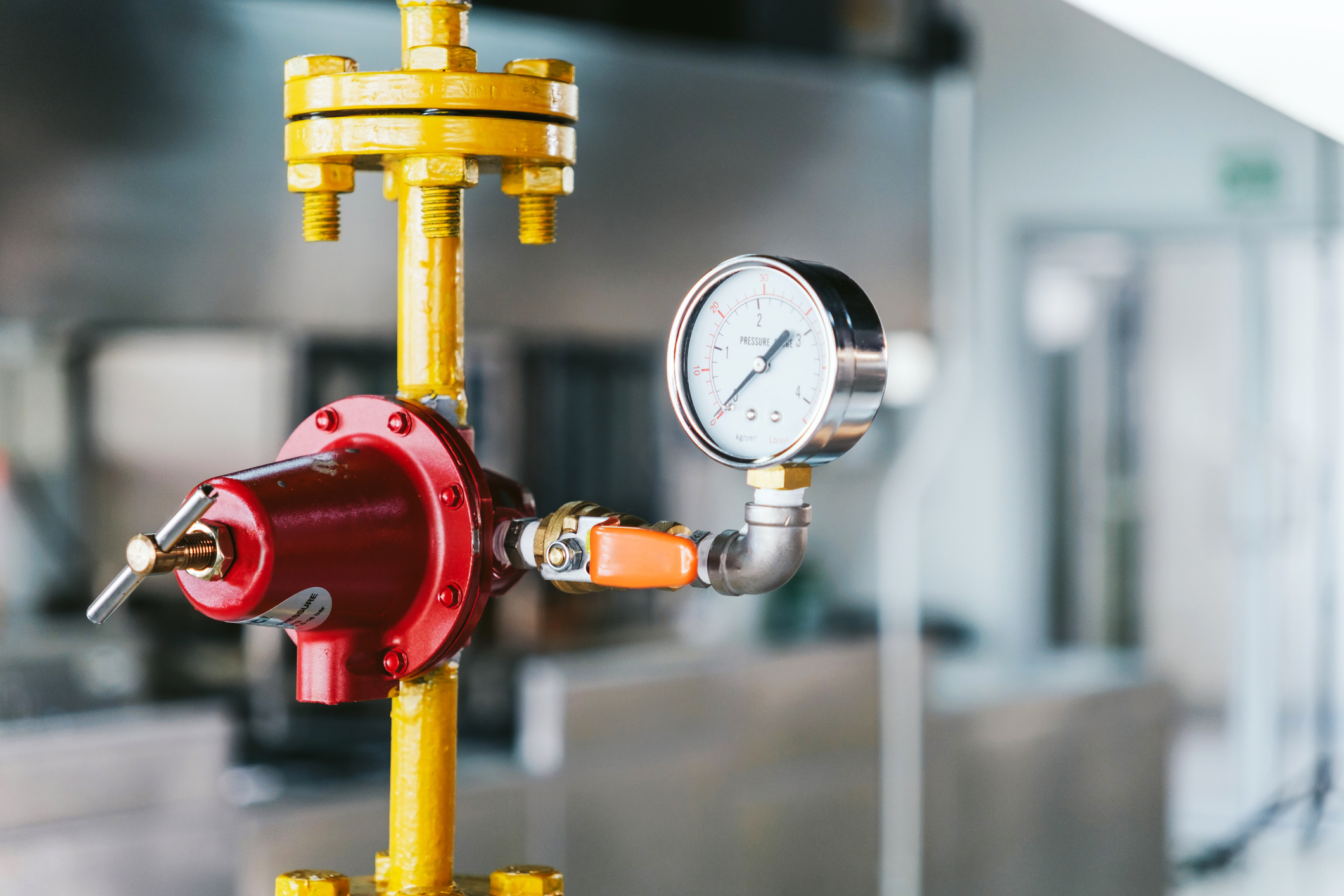
Commercial kitchens rely heavily on gas-powered cooking equipment. Because of this, every kitchen should know where gas shut-off valves are located.
For maximum safety, each gas appliance should have:
- Its own shut-off valve
- A quick disconnect connection whenever possible
If you smell gas in your kitchen:
- Shut off the gas supply immediately
- Turn off burners and affected equipment
- Follow your facility’s emergency procedures
- Keep kitchen hoods and exhaust fans running to ventilate the area
Quick action can help reduce the risk of fire, equipment damage, or injury.
Benefits of Quick Disconnect Gas Valves
Quick disconnect gas connections offer several advantages for commercial kitchen equipment.
Benefits include:
- Improved kitchen safety
- Faster equipment installation
- Easier maintenance and repair access
- Simplified equipment cleaning
- Reduced downtime during service calls
They also make it easier to move equipment safely when deep cleaning behind cook lines.
Schedule a Commercial Kitchen Safety Audit
Taking proactive steps toward kitchen safety can help prevent emergencies and extend the life of your equipment.
A professional commercial kitchen safety audit can help identify:
- Improperly labeled breakers
- Missing gas shut-offs
- Unsafe electrical connections
- Equipment installation concerns
- Potential fire hazards
At General Parts, our technicians help foodservice operators improve equipment safety, efficiency, and reliability.
Call your nearest General Parts location at (888) 498-1238 to schedule a commercial kitchen equipment safety review.